

"He was one of the first to come and see me in the hospital," Grand Corps Malade recalled of Bally Bagayoko. The French artist's memory concerns the man who would become mayor of Saint-Denis, a city just north of Paris.
Grand Corps Malade's friendship with Bagayoko began through basketball, before their careers attracted wider attention. The recollection offers a glimpse of personal loyalty, but it shouldn't be mistaken for a statement of political agreement. Their connection starts with a shared sporting past.
Grand Corps Malade's friendship with a rising political figure
Bagayoko's growing political profile gives this longstanding relationship fresh visibility. Yet the connection described by Grand Corps Malade belongs to an earlier chapter, when basketball brought them together in Saint-Denis.
How their paths crossed before the hospital visit
Grand Corps Malade, whose real name is Fabien Marsaud, grew up in Saint-Denis. Before audiences knew him for spoken-word performances and recordings, basketball was an important part of his life.
Bagayoko was his basketball coach. That relationship provides a concrete explanation for their acquaintance, rather than a chance meeting through entertainment or party politics. M Radio describes theirs as a friendship spanning about three decades.
The coaching connection also changes how the hospital memory reads. The visitor was someone the future artist already knew through sport and local life. Their shared history preceded the public identities that now make the pairing newsworthy.
What Grand Corps Malade said about Bagayoko's support
The hospital quotation belongs to Grand Corps Malade, rather than Bagayoko. According to M Radio's account, the artist recounted the visit in comments to Le Figaro.
He remembered Bagayoko as one of the first people to visit after his accident. The wording describes an early visitor, not the first visitor, and doesn't establish an exact day or hour.
That distinction keeps the recollection in proportion. Grand Corps Malade singled out a gesture he remembered with appreciation. He wasn't providing a detailed chronology of his hospital stay or describing a political undertaking. The confirmed point is straightforward: Bagayoko came to see him during a difficult period.
Why the hospital visit still matters to their relationship
The memory gives their friendship a concrete moment of support. Its significance comes partly from when it happened, before Grand Corps Malade established his recording career.
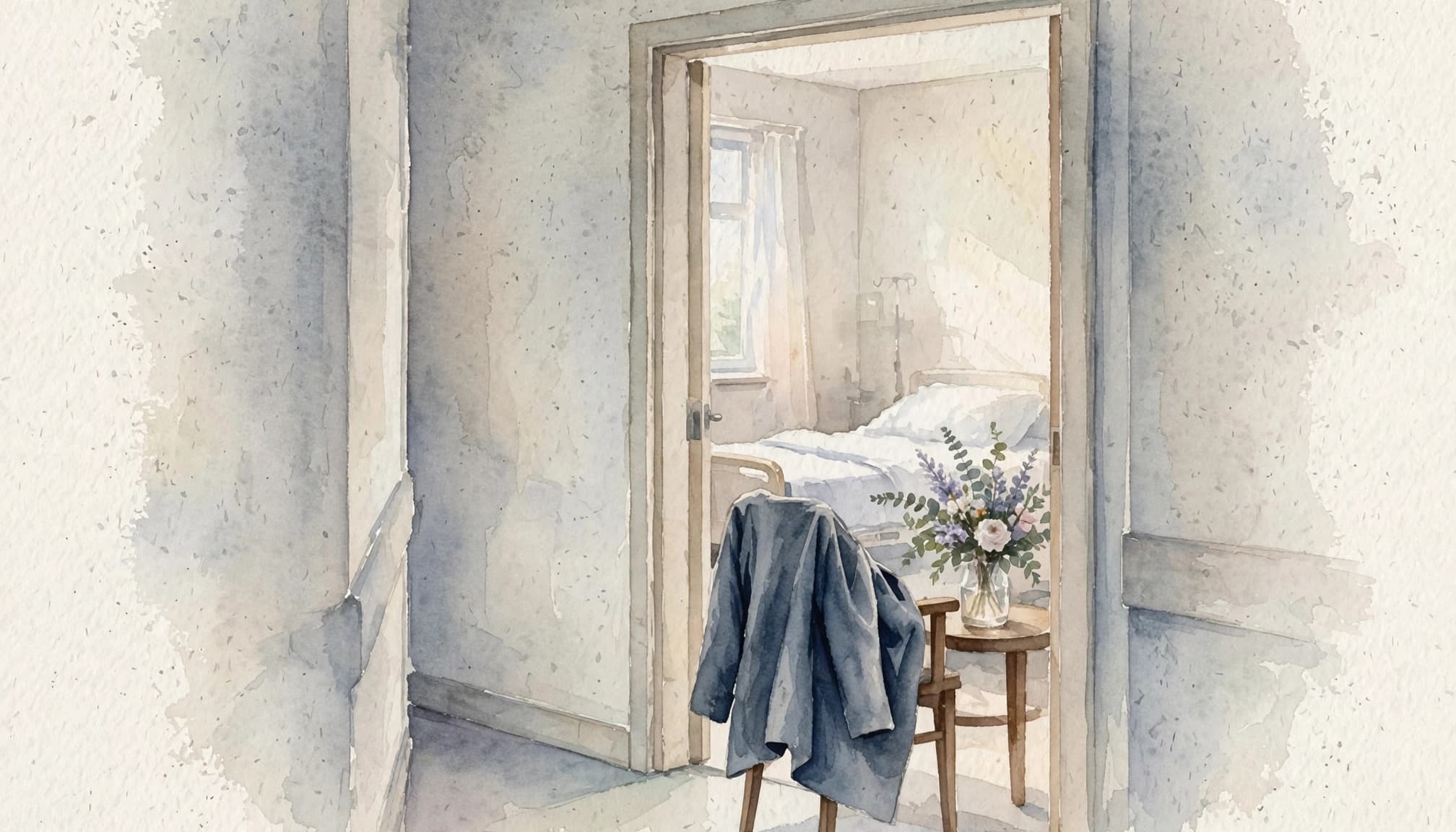
A personal gesture beyond public life
A hospital visit requires someone to show up when an ordinary routine has been interrupted. Grand Corps Malade's decision to recall Bagayoko's presence suggests that he valued that effort. That's a reasonable reading of his words, rather than a complete account of their private relationship.
The timing also separates the gesture from the artist's later success. His hospitalization followed his 1997 accident; his debut album, Midi 20, arrived in 2006, as RFI's career profile records.
Bagayoko therefore visited someone he knew through basketball, years before that person's debut album. The memory connects their present-day recognition to a relationship formed outside those public careers.
A remembered visit, not a complete private history
Grand Corps Malade's description gives readers a clear action and his recollection of its timing. It doesn't disclose what the two discussed or explain every aspect of the support he received.
Those boundaries don't diminish the gesture. They allow it to remain a personal memory without turning a brief quotation into a larger story about motives or promises.
Likewise, being among the early visitors doesn't establish that Bagayoko was the artist's closest confidant. What it does show is that Grand Corps Malade remembered his presence and later chose to acknowledge it publicly. That acknowledgment is enough to explain the warmth surrounding the account.
How Grand Corps Malade and the politician's public worlds differ
The pairing attracts attention because the two men occupy different public roles. One reaches audiences through artistic work; the other holds elected office.
Two careers that meet outside the spotlight
Grand Corps Malade built his reputation as a slam poet and recording artist. His stage name, distinctive voice, and spoken delivery became familiar well beyond the venues where he first performed.
He also moved into filmmaking. With Mehdi Idir, he co-directed Patients, released in 2017, which draws on his rehabilitation experience. That work gives the hospital recollection an additional connection to subjects he has addressed artistically.
Bagayoko's public responsibilities are different. He became mayor of Saint-Denis in March 2026. Le Monde's reporting on Bagayoko identifies him as a member of La France Insoumise, commonly abbreviated LFI, and records his first-round municipal election victory.
Why their connection catches readers' attention
For readers who know only their current roles, a friendship between a prominent artist and a rising political figure can seem unexpected. The basketball connection supplies the missing context.
Saint-Denis is a shared place in their biographies, rather than merely the backdrop to a celebrity anecdote. Their acquaintance grew through local sport before their different careers gave it wider visibility.
Still, friendship and endorsement are separate matters. The hospital quotation doesn't establish Grand Corps Malade's position on Bagayoko's policies or every position taken by LFI. Any claim about political backing would require its own evidence. This recollection establishes a remembered act of support, with a clear personal context.
A friendship remembered through one visit
Grand Corps Malade's recollection resonates because it identifies a specific gesture: Bagayoko came to see him early in his hospital stay. Their basketball connection explains why that visit belonged to an existing relationship.
The memory offers a human perspective on two public figures whose careers followed different paths. It supports a clear distinction: gratitude for a friend's presence doesn't, by itself, establish agreement with that friend's politics.