

A royal visit can look like theater. This one is also diplomacy.
King Charles III arrived in the United States at a tense moment for the UK-US relationship. The alliance is still close, but recent trade fights, political swings, and different foreign policy priorities have created strain. As AP's report on the four-day state visit makes clear, this trip carries more weight than ceremony.
Charles can't rewrite trade rules or military strategy. Still, he can help reset the mood, restore trust, and remind both sides that strong alliances need care. That careful role explains why this visit matters.
What made the UK-US relationship feel more fragile
Trade disputes, politics, and changing priorities raised the tension
The phrase "special relationship" still gets used often. But warm language doesn't erase hard disputes.
Since Brexit, London has wanted a stronger trade deal with Washington. That goal has stayed out of reach. At the same time, tariff threats and tax disputes have kept nerves on edge. A recent Time report on tariff pressure tied to UK-US tensions showed how fast economic friction can spill into politics. When trade turns personal, trust drops fast.
Leadership changes have also mattered. Different presidents and prime ministers bring different instincts, styles, and priorities. One White House may want security first. Another may care more about domestic industry or burden-sharing. On the British side, governments have had to balance their US ties with pressure at home and with Europe. So the relationship hasn't broken, but it has felt less settled.

Global crises pushed both countries to rethink what they need from allies
The wider world has raised the stakes. Ukraine, China, energy security, NATO spending, and instability in the Middle East have forced both capitals to ask harder questions.
Washington wants allies that can move quickly and share costs. London wants proof that the US still values long-term partners, even when disagreements flare. Those goals overlap, but they don't always line up neatly. A UK Parliament report on rebalancing the partnership put the problem in plain terms: the relationship remains important, but it is more interest-based and less automatic than many in Britain once assumed.
That is why this mission is delicate. The alliance still matters in defense, intelligence, and diplomacy. Yet both sides now expect more proof, more clarity, and fewer sentimental slogans.
How King Charles III can help without acting like a politician
His role is to open doors, calm nerves, and represent continuity
A British monarch has no power to bargain over tariffs or sign defense agreements. That limit matters. It also explains why royal visits can work.
Charles can meet leaders without looking like he is campaigning. He can speak about service, history, duty, and shared values without sounding like he is pushing a party line. In tense periods, that kind of presence can lower the temperature. It gives officials room to talk, listen, and reset their tone.
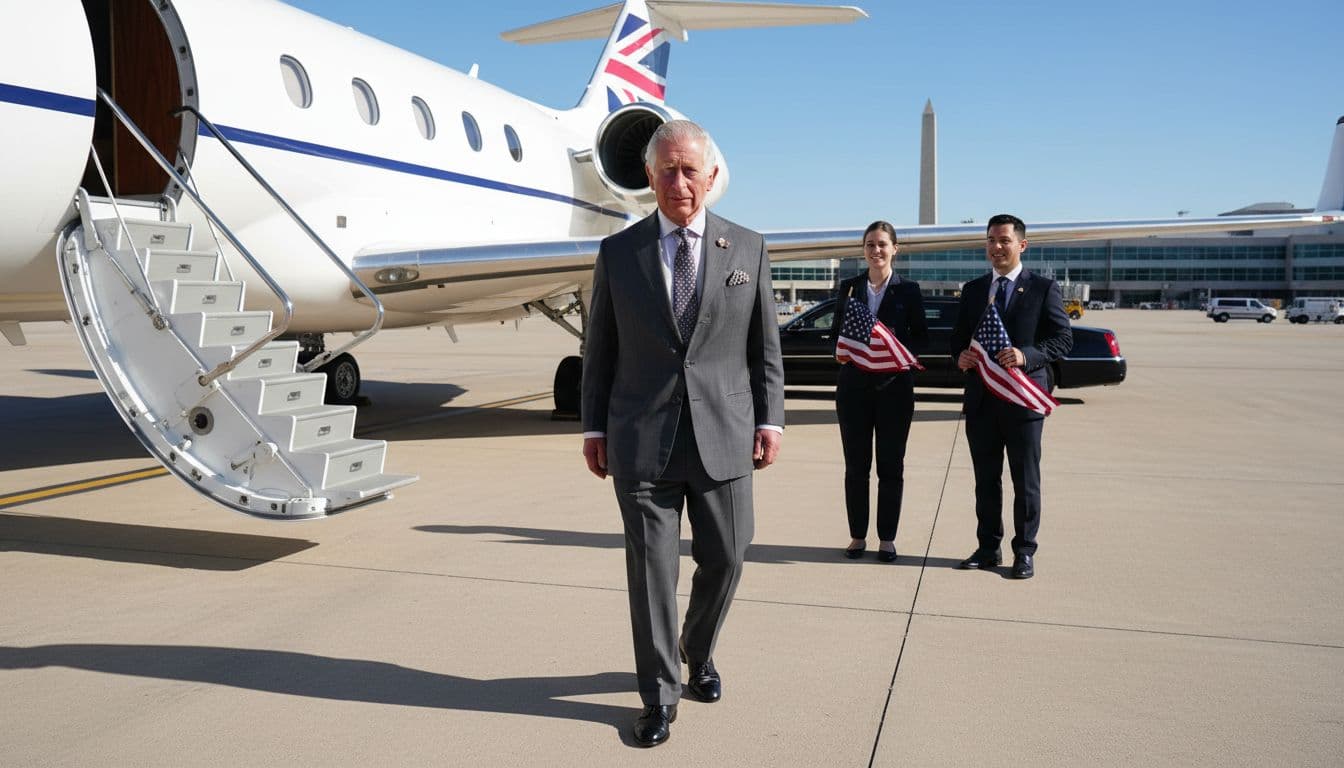
That is the value of soft power. Britain still uses the monarchy to project steadiness and goodwill abroad. A Military.com report on the visit's soft power focus described the trip in those terms, and the point holds. Charles is there to make the UK feel reliable, not flashy. In diplomacy, tone can matter before policy does.
Strong alliances are not maintained by treaties alone. They also depend on trust, memory, and public tone.
Climate, culture, and shared history give him useful ground to stand on
Charles also brings themes that reach beyond party politics. He has spent decades speaking about climate, conservation, architecture, and community life. Those interests don't solve a trade dispute. But they do widen the conversation.
That matters in the United States, where public opinion often shapes the space leaders have to act. A king who talks only about formal state ties risks sounding distant. A king who also speaks about shared heritage, local communities, and the environment can connect with a broader audience.
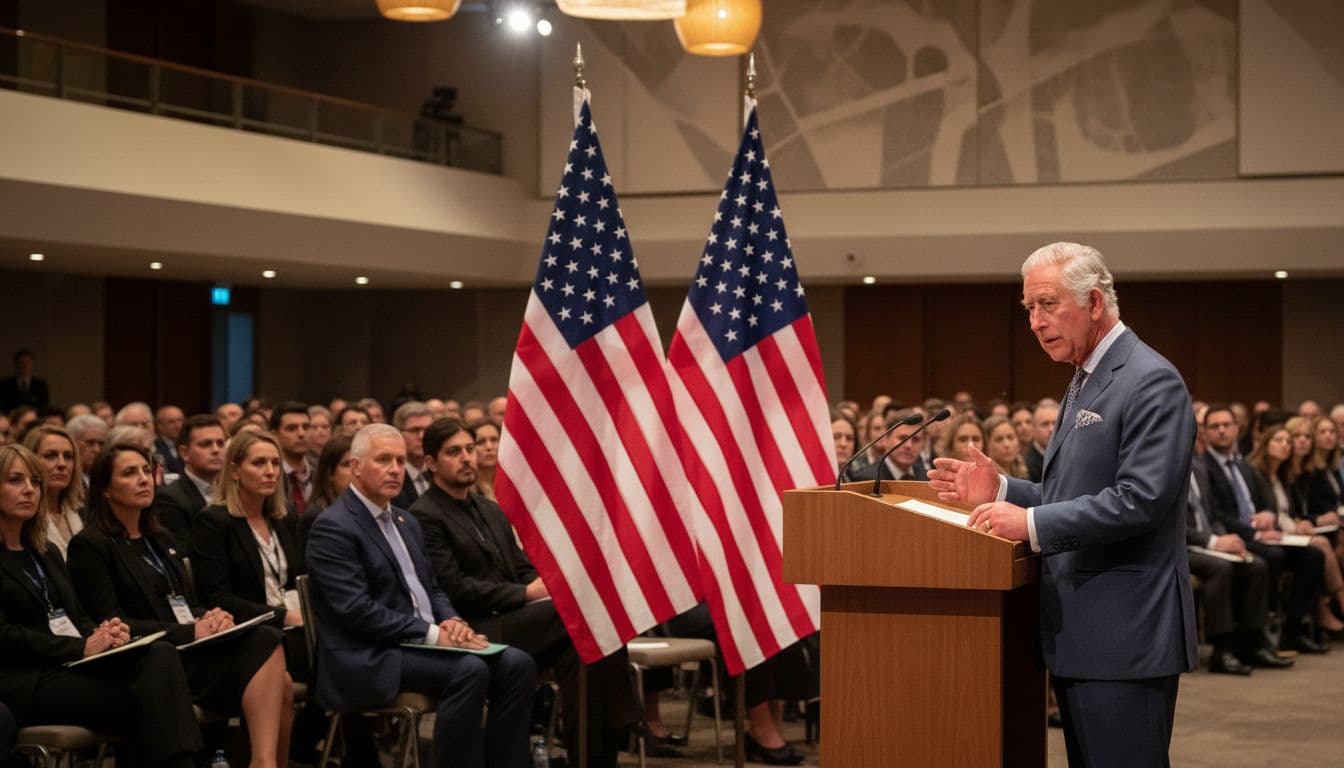
There is also history at work here. Britain and the United States are linked by language, law, culture, and military ties, even after centuries of arguments. Charles can draw on that past without sounding stuck in it. Used well, that mix of history and public service can make the relationship feel less brittle.
What success would look like for this visit
A warmer public tone would be a win, even without a major agreement
No one should expect a royal trip to deliver a sweeping trade pact or end every dispute. Success is likely to look smaller and more realistic.
A better tone between leaders would matter. Clearer public support for defense ties would matter. Even a calmer atmosphere around future trade talks could count as progress. Diplomatic repair often happens by inches, not headlines. That is especially true when both governments face pressure at home.
If the visit helps shift the language from grievance to partnership, it will have done useful work. Sometimes the first sign of progress is that both sides stop talking past each other.
The visit could shape the next chapter of UK-US ties
This trip may also affect what comes next. Government-to-government talks are easier when the public mood improves. So are business ties, cultural exchanges, and security planning.
Britain wants to show that it still matters in Washington. America wants dependable allies, even when policy fights get rough. Charles can't settle those questions by himself. Yet he can help create the conditions for steadier contact and fewer public jolts. That may be the most practical value of the visit.
Conclusion
King Charles III's trip to the United States is about trust more than spectacle. The UK and US are still close, but close partners can drift when trade fights, wars, and political change pile up.
This visit will not fix every problem. It can, however, steady the mood, soften the rhetoric, and support deeper cooperation later. In an uneasy moment, that kind of reset has real value.