

A shooting outside a high-profile Washington dinner quickly became more than a local crime story. Federal prosecutors now say the suspect did not simply bring violence to a public event; they believe he tried to kill President Donald Trump.
That shift matters because intent is the center of this case. If prosecutors can prove the suspect targeted the president, the legal stakes rise sharply, and so does public interest in every new filing.
What Happened at the White House Correspondents' Dinner
The shooting unfolded at the White House Correspondents' Association dinner in Washington, a major political and media event held at the Washington Hilton. Trump was in attendance, along with administration officials, journalists, and invited guests.
According to news reports, the suspect allegedly moved through a security area near the hotel ballroom and gunfire followed. Trump was rushed to safety and was not hurt. The suspect was later taken into custody. CNN's report on how events unfolded at the dinner describes a fast-moving scene near the ballroom entrance, with agents and officers reacting within seconds.
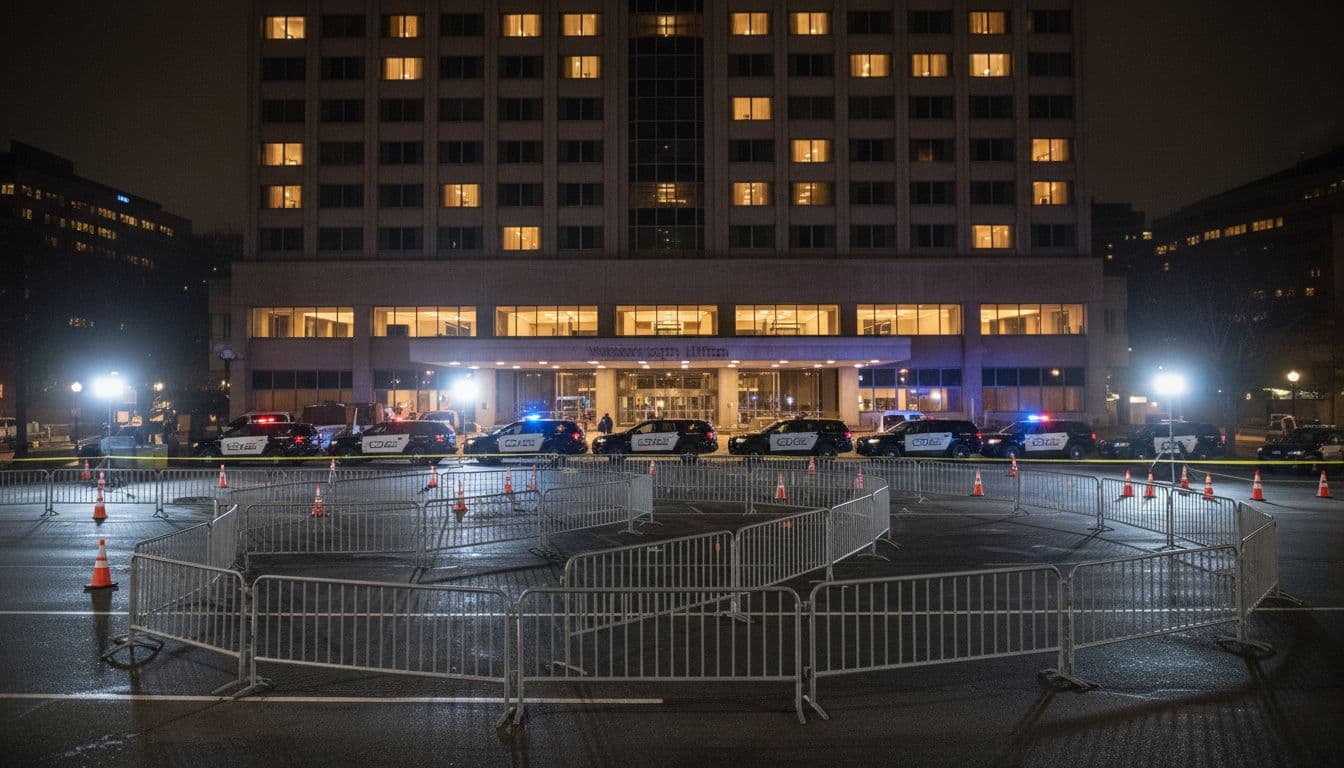
That basic timeline is important because it shows why the case drew immediate federal attention. A shooting at a hotel is serious on its own. A shooting at a venue hosting the president is something else entirely.
Early reports focused on the danger inside and around the event. After that, the bigger question became motive. Was this reckless violence, or was it a planned attack aimed at the president? Prosecutors now appear to have answered that question in the charging documents, at least for now.
The charge of attempting to assassinate Trump also changes how the public reads every detail from that night. Entry points, the suspect's movement, and any statement made before the shooting all become part of a much larger picture. In other words, this is no longer only about what happened in a hotel hallway. It's about whether a suspect tried to break through one of the tightest security bubbles in American public life.
Why Prosecutors Filed an Attempted Assassination Charge
An attempted assassination charge is not filed lightly. Prosecutors need more than a violent act near a protected official. They need evidence that the suspect meant to kill that official.
That is why the alleged paper trail matters so much. NBC News reported that the suspect, identified as Cole Tomas Allen, sent a message to family members shortly before the attack and wrote about a duty to target Trump administration officials. Its report on the suspect's note and alleged motive suggests investigators are treating the case as a targeted political attack, not a random outburst.
If that evidence holds up, the attempted assassination count starts to make more sense. Prosecutors will likely argue that the location, timing, weapons, and written statements all point in the same direction. Defense lawyers, on the other hand, will test whether those facts prove intent beyond a reasonable doubt.
This is where criminal law can feel like a narrow bridge. A few feet of movement, a few lines in a message, or a few seconds of action can shape the whole case. Federal prosecutors don't have to prove the suspect nearly succeeded. They have to prove he tried.
The suspect also faces firearms charges, based on published reports. Those counts may sound secondary, but they often help prosecutors build the larger story. They can show preparation, access to weapons, and conduct before the main offense. For readers following the case, the key point is simple: the attempted assassination charge tells you the government believes it can prove purpose, not just presence.
What the Case Means for Security and the Next Court Fight
A presidential appearance at a hotel event creates a different security challenge than one at the White House. There are public entrances, service routes, stairwells, and crowded interior spaces. Even with tight screening, a large venue is harder to seal than a government compound.
That reality helps explain why the response drew so much attention. The suspect was stopped, Trump was moved, and the event's security plan shifted from ceremony to crisis in moments. Those few minutes will likely be studied for months by protective teams and event planners.
The next phase, however, is slower and less dramatic. It happens in court. The AP report carried by KDH News on the suspect's first federal court appearance shows the case is moving into the part where evidence gets sorted, challenged, and tested under oath.
The headline charge tells the public one story. The courtroom must prove it with facts.
That distinction matters. Public reaction forms fast after a violent event, especially when a president is involved. Yet criminal cases turn on records, witness accounts, forensic evidence, and intent. A dramatic accusation can survive that process, or it can narrow.
Still, one thing is already clear. The case has exposed how little room for error exists at high-profile public events. When the president is in the building, a breach near a checkpoint is not a small failure. It is a national security event.
Conclusion
The Washington dinner shooting now sits in a different category because prosecutors say the suspect tried to assassinate Trump, not simply cause chaos near him. That claim raises the stakes, but it also raises the burden of proof.
What happened in those few minutes at the hotel set off fear, confusion, and a massive security response. What happens next will depend on whether federal prosecutors can turn that alarming night into a case that holds up in court.