

Technology now changes ordinary life in ways you can feel, not only in ways experts talk about. You see it when a phone helps plan your day, when a watch spots a health issue early, or when a factory uses less energy to make the same product.
That's what new technology innovations mean in 2026: practical breakthroughs that solve real problems at home, at work, in healthcare, and across business. Some trends are already here, while others are only starting to show their value. The key is knowing which changes are useful now, and which ones deserve your attention next.
The new technology innovations shaping everyday life
AI tools are becoming more useful and more personal
AI has moved past the stage of being a novelty. It now helps people write emails, summarise meetings, compare products, search faster, and manage admin that used to eat up the day. In many apps, it works quietly in the background, suggesting better choices instead of waiting for a prompt.
That shift matters because time is now the real battleground. If an AI assistant can sort notes, draft a reply, or flag a missing detail, you spend less energy on routine tasks. As a result, people can focus on decisions that need judgement, not repetition.
Still, convenience isn't the same as trust. AI can save time, but it can also sound confident when it's wrong. So the smartest use is careful use. Treat it like a sharp tool, not an autopilot.
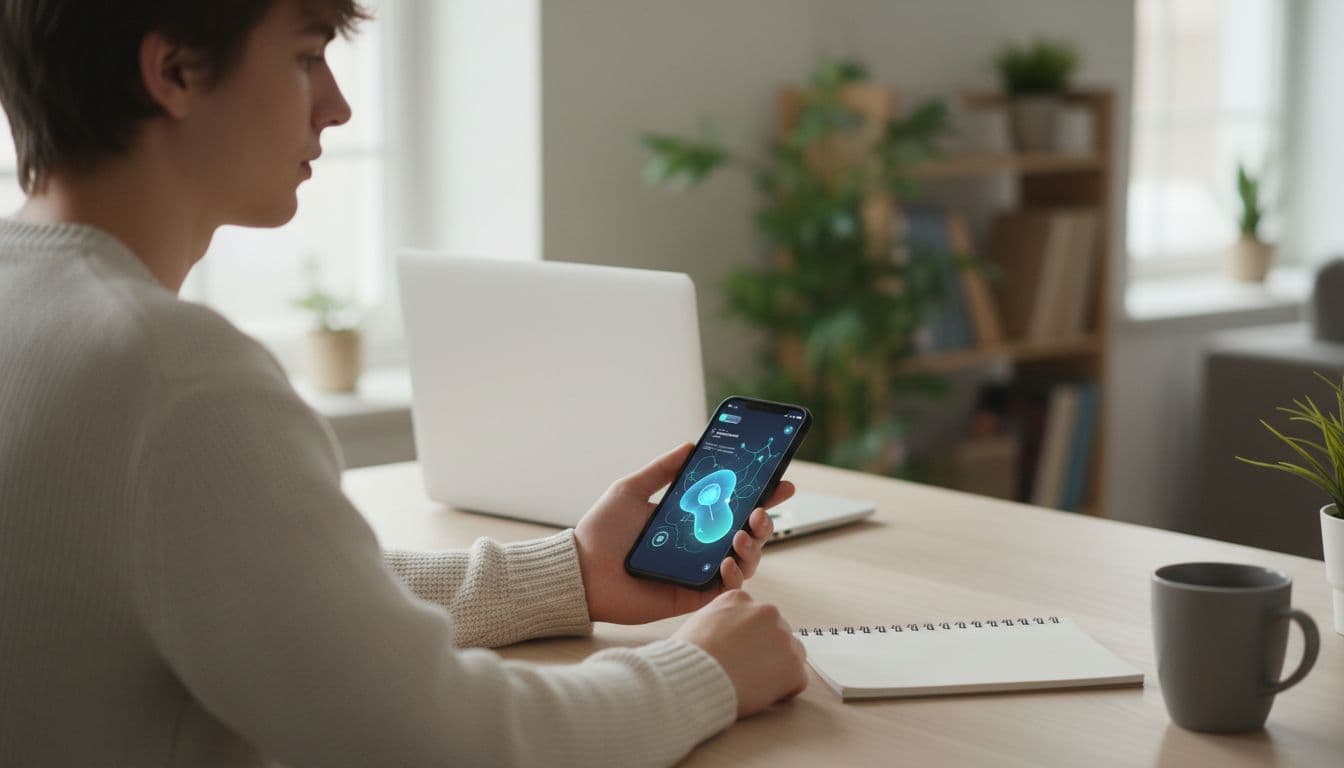
A clear example is the rise of more natural voice control in the home. Recent updates in smart assistants show how people can speak normally, rather than memorising rigid commands. Reports on more natural smart home speech show where this is heading.
Smarter devices and connected homes are getting easier to use
Smart homes used to feel fiddly. You had to set up separate apps, remember device names, and hope everything worked together. Now the experience is getting simpler, which makes the tech more useful for normal households.
A connected thermostat can cut wasted heating and cooling. Smart lights can respond to routines or motion, which saves energy and adds safety. Doorbell cameras and sensors give people a quick view of what's happening at home, even when they're away.
Wearables are also part of this shift. A fitness tracker no longer counts steps and stops there. Many devices now follow sleep, heart rate, stress, and recovery patterns, then turn that data into advice you can act on. It's like having a dashboard for your day, but on your wrist.
The best consumer tech in 2026 feels less like a gadget and more like a quiet helper.
How innovation is changing key industries
Healthcare technology is making treatment faster and more precise
Healthcare is one of the clearest places where innovation moves from headline to human benefit. Doctors now have better digital tools to spot patterns in scans, monitor patients from home, and tailor care with more detail than before.
Remote care has become more practical because devices can send useful data between appointments. That means a patient with a heart issue, diabetes risk, or sleep problem may not need to wait until symptoms worsen. Instead, the warning signs can show up earlier, which gives both patient and clinician more room to act.
Wearables are a major part of this change. Research published by Nature on wearable-based insulin resistance prediction shows how consumer-style devices may support earlier health insight. At the same time, broader coverage of telemedicine and smart diagnostics reflects how remote support is becoming part of routine care.
Personalised medicine also matters more now. Instead of treating everyone with the same playbook, health teams can use data to match treatment more closely to the person in front of them. That can mean fewer delays, better outcomes, and less waste across the system.
Green technology is helping businesses cut waste and energy use
Green technology is no longer only about image. For many firms, it's about lower costs, stronger supply chains, and better long-term planning. When energy prices shift, efficient systems become a business advantage.
Battery improvements are a big reason. Better storage helps companies use renewable power more effectively, while also giving power grids more flexibility. Large projects such as the redox-flow battery built in Switzerland show how storage can support grid stability at scale.
Transport is changing too. Electric vehicles are becoming more useful for fleets because charging, battery life, and cold-weather performance keep improving. New reporting on semi-solid-state battery technology suggests the gap between promise and real-world rollout is starting to narrow.
Meanwhile, smart grids and better factory systems help businesses use less energy for the same output. That cuts waste, lowers emissions, and reduces exposure to price shocks. In simple terms, greener tech is also becoming a smarter business.
What to watch next as technology keeps moving fast
The biggest opportunities will come from combining technologies
The next big gains won't come from one tool acting alone. They will come from systems working together. AI, sensors, robotics, biotech, and cloud platforms are far more useful when they share data and respond in real time.
Take manufacturing. Sensors can spot wear in a machine, AI can predict failure, and robotics can adjust the workflow before a breakdown happens. The same pattern appears in healthcare, where wearable data, remote monitoring, and clinical software can create quicker, better responses.
That's why progress often looks less dramatic than people expect. It's not always a robot walking into your living room. Often, it's several small technologies joining up and quietly doing a better job.
Trust, privacy, and skills will shape who benefits most
New technology innovations only matter if people trust them. If a tool feels invasive, confusing, or unfair, people won't use it well, no matter how clever it is. That puts privacy, safety, and clear rules near the centre of the story.
Skills matter just as much. Workers need to know how to question AI output, manage data, and use new systems with confidence. Businesses that train staff well will get more value than businesses that simply buy new software and hope for the best.
The same is true for consumers. Knowing what data a device collects, and what you get in return, helps you make better choices. In other words, the future belongs not only to better tools, but to people who can use them wisely.
Technology feels most impressive when it disappears into daily life and solves a problem without fuss. That's the thread running through AI assistants, smart devices, remote healthcare, and cleaner energy systems.
The strongest innovation in 2026 isn't about flashy ideas. It's about tools that save time, improve care, cut waste, and support better decisions.
So stay curious, keep learning, and judge new tech by one simple test. Does it make life or work meaningfully better?