

Some technologies stay in labs for years. Others cross a line and start changing how you work, travel, stay well, and stay safe. In 2026, the most important emerging technologies are no longer science projects.
Many are moving from research, pilots, or narrow use into wider markets. That shift is why policymakers, investors, schools, and employers are paying close attention. The next few years will shape jobs, health care, security, transport, and daily routines, so it helps to focus on what has real traction, not noise.
The emerging technologies set to shape the next few years
These ten were chosen for four simple reasons: momentum, investment, public interest, and near-term effect. That broad picture matches MIT Technology Review's 2026 breakthroughs, which also points to practical change over empty hype.
Generative AI and AI agents are becoming everyday tools
Generative AI now does more than answer prompts. New agent-style systems can draft reports, search across files, book meetings, write code, and carry out multi-step tasks with limited supervision.
Support teams already use them to draft replies and summarise cases. In offices, an AI agent might read incoming mail, update a CRM, and prepare a first project brief before lunch. Yet the gains come with limits. Models still invent facts, repeat bias, and can be turned towards misuse. So the value is highest where people check outputs and set firm rules.
Quantum computing is moving closer to useful work
Quantum computers process information differently, using qubits that can hold more than one state at a time. In plain terms, they may solve a narrow set of hard problems faster than normal machines.
The likely wins are in drug discovery, materials science, and route or supply-chain optimisation. They will not replace classical computers; they will sit beside them. Progress remains early, but it is steady, and better stability matters as much as raw speed.
New biotech is changing medicine, food, and farming
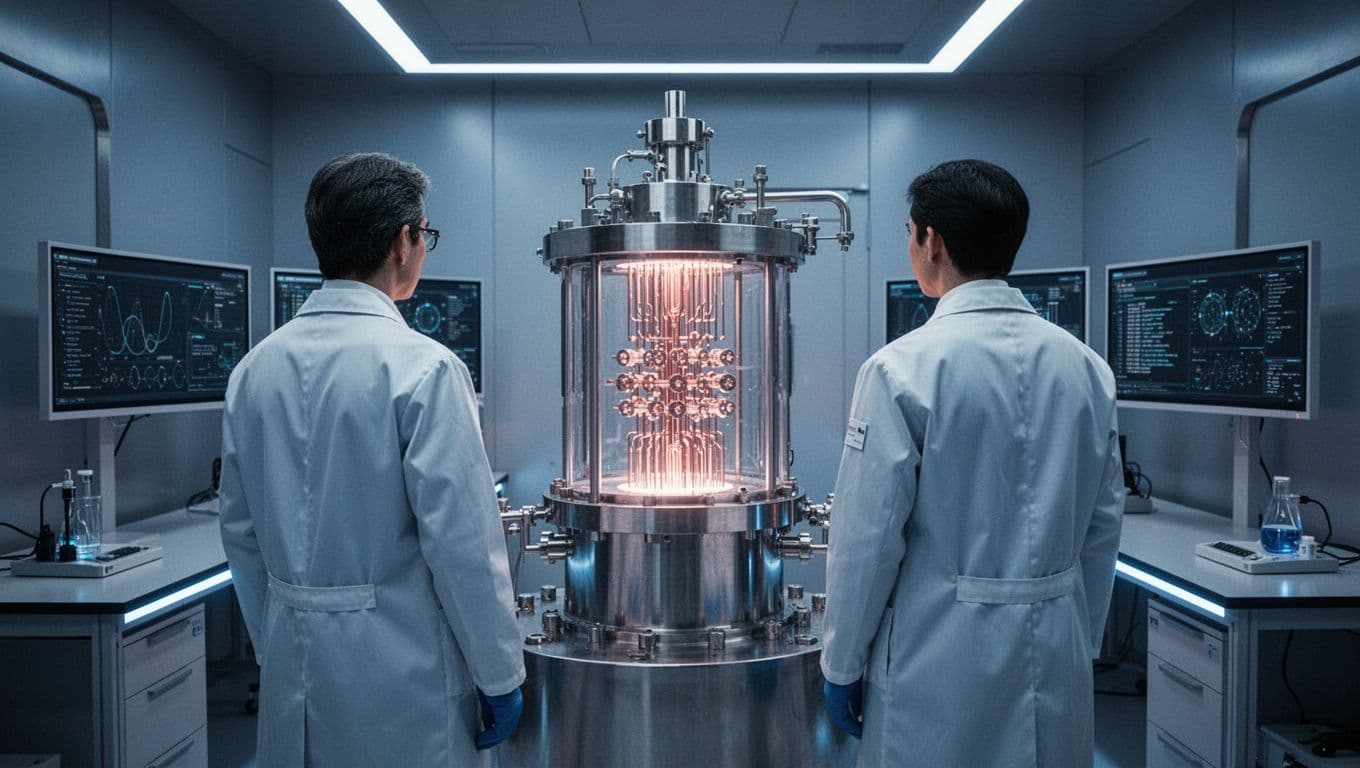
Biotech now spans gene editing, mRNA platforms, synthetic biology, and lab-grown materials. Together, these tools can speed up treatments, improve crop resilience, and lower pressure on land and water.
Food science is part of the same story, from fermentation-based proteins to tougher seed traits. A strong sign of movement appears in biotech research trends in 2026, where more tools are shifting from discovery into testing and review. At the same time, ethics and regulation matter. Changes to genes, food systems, or living cells need public trust, clear oversight, and careful testing.
Clean energy breakthroughs are speeding up the shift from fossil fuels
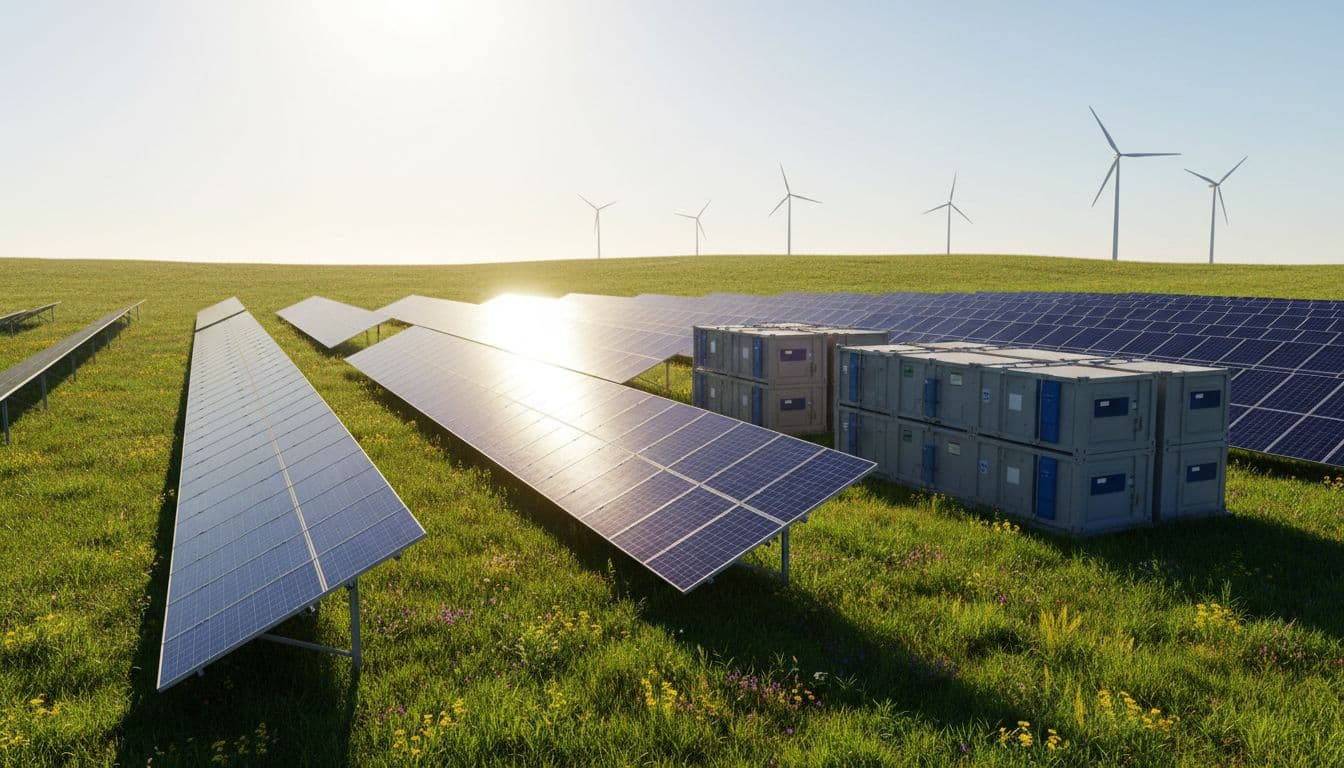
Cheaper clean power depends on two things: better generation and better storage. Storage matters because wind and solar do not produce power on demand. That is why next-generation batteries, green hydrogen, small modular reactors, and stronger solar cells attract so much attention.
For households, this could mean more stable grids and lower exposure to fuel price shocks. For the industry, it opens a path to cleaner heat and transport. Progress is uneven, but more systems are moving from trials into commercial use.
Robots, drones, and smart machines are taking on more physical work
Robots are gaining better eyes, hands, and judgement. Improved sensors, machine vision, and AI control let them sort parcels, check stock, assist nurses, spray crops, and inspect risky sites.
The near-term story is less about humanoids and more about useful machines that save time or cut injury risk. In warehouses, a robot arm can handle repetitive picking for hours. On farms, drones can spot stressed plants earlier than the human eye. As a result, physical AI looks far more practical than it did only a few years ago.

Five more technologies to watch, and why they stand out
Spatial computing, advanced chips, Web3 tools, privacy tech, and climate engineering
Several other fields also stand out in CB Insights' 2026 tech trends report. They matter because they support many of the higher-profile tools above.
Spatial computing blends digital objects with physical space through AR headsets and smart glasses. It matters now because training, design, and remote support work better when information appears in front of you.
Advanced chips keep AI, phones, cars, and data centres running. Specialised semiconductors matter because software progress slows when hardware cannot keep pace.
Web3 tools still carry too much hype, yet some blockchain systems have clear uses in payments, asset tracking, and digital identity. The key test is whether they solve a trust problem better than a normal database.
Privacy-enhancing technologies, such as federated learning and homomorphic encryption, let firms analyse data with less exposure. That matters as health, finance, and public services face tighter rules.
Climate engineering remains early and contested. Still, carbon capture and related tools draw attention because emissions cuts alone may not remove enough historic carbon.
How to judge which emerging technologies really matter
Look for adoption, usefulness, and clear limits
Look past headlines and ask six things: who is using it, what problem it solves, what it costs, what rules apply, what infrastructure it needs, and whether people trust it. Also. ask who pays for deployment and who bears the risk if it fails. A clever demo is not the same as adoption.
Timing matters as well. Some tools, like AI agents, can spread in months because they run on existing hardware. Others, like quantum or new reactors, need years of capital, talent, and regulation. Most importantly, usefulness beats novelty.
Headlines favour spectacle, but the top 10 emerging technologies that matter in 2026 share one trait: they solve real problems at scale. They save time, improve care, cut waste, or widen what science can do.
That is the best way to watch this field. Stay informed, test claims against adoption, and keep adapting. The future rarely arrives all at once, but emerging technologies often become ordinary faster than expected.