

Three Starmer Statements That Defined the Mandelson Vetting Row
When a prime minister answers MPs on a security question, every word carries weight. Peter Mandelson's vetting became a political flashpoint because MPs were not only asking about one appointment. They were testing whether the system worked, whether ministers had the full picture, and whether Parliament was getting a straight account.
That is why Starmer's wording mattered so much. His answers pointed to process, trust, and political judgment at the same time. The three statements below help explain how he tried to calm concerns while keeping control of a fast-moving row.
What Starmer said about the vetting process itself
The first key line was his claim that "full due process was followed during this appointment." That wording sat at the center of the argument, as the BBC's breakdown of the three statements made clear. In plain terms, vetting means security checks for a sensitive role. It covers background issues, possible risks, and whether someone is judged fit for high-level access.
By saying the process was followed, Starmer was offering MPs a basic reassurance. He was saying there were rules, and those rules were used. For a post as sensitive as ambassador to Washington, that reassurance mattered because the job carries status, access, and risk.
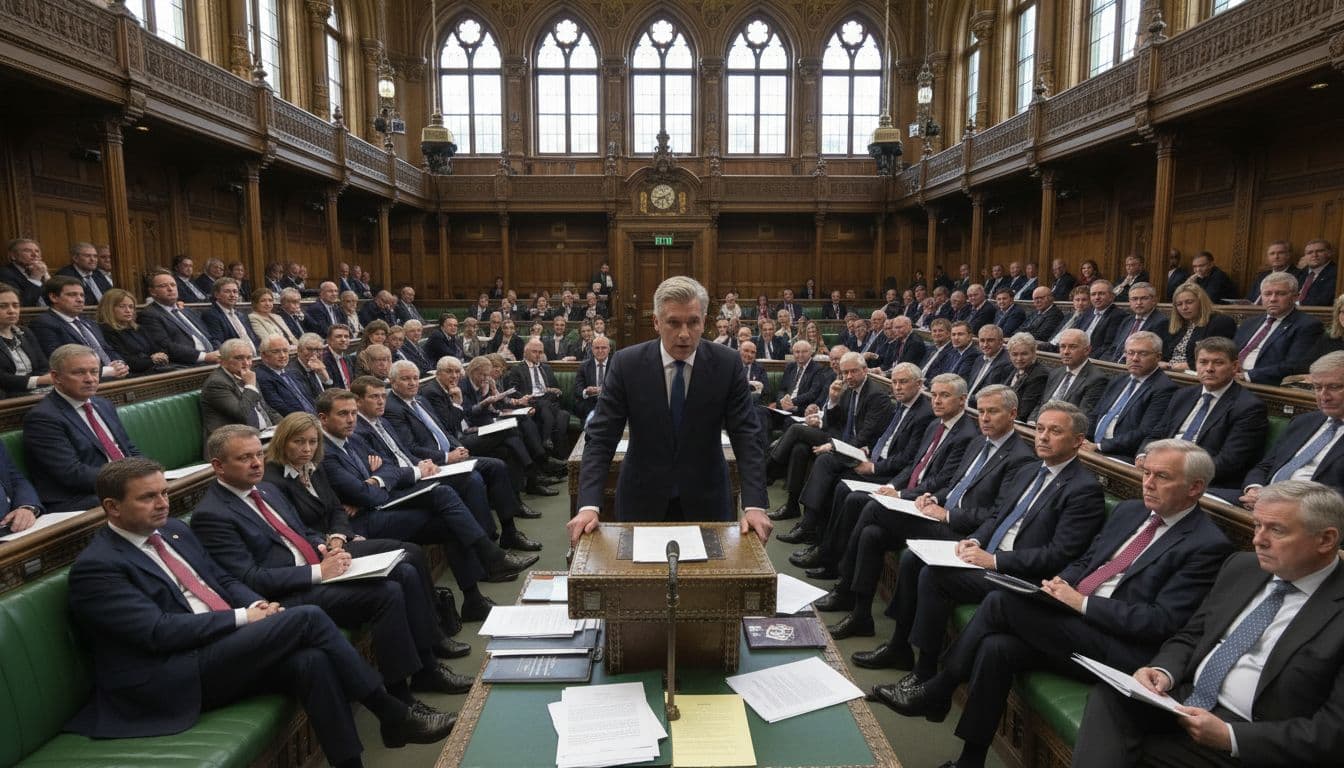
Why MPs wanted to know if the checks were thorough enough
MPs were not asking for a dry process note. They wanted to know whether the checks had real force. In a case like this, people expect more than form-filling. They expect background review, judgment calls, and a clear look at any red flags.
That is why the question kept coming back. If a concern existed, did the system catch it? If it did, who saw it, and what happened next? Parliament wanted proof that this was a proper test, not a rubber stamp.
What does this statement suggest about accountability inside government
Starmer's wording also defended the machine around him. If "due process" was followed, then departments, officials, and security channels all appear to have done their jobs. That protects the prime minister from claims that he waved an appointment through.
Still, this kind of defense comes with a risk. Once you tie yourself to the strength of the system, any later gap becomes more damaging. The argument stops being about one person and starts being about whether government checks can be trusted.
How Starmer defended the decision to stand by Mandelson
The second important point was his insistence that the appointment was subject to developed vetting. In other words, Starmer's position was that Mandelson would not simply walk into the role unchecked. That gave him space to stand by the appointment while telling MPs there was still a formal gate to pass through.
That balance mattered. A prime minister cannot look as if he is abandoning a senior appointment at the first sign of pressure. At the same time, he has to show the public that friendship, profile, or political value do not outrank security procedures. In his full statement to Parliament, Starmer later framed the affair as a failure in what he had been told, not a lack of conditions on the role.

The difference between a clean vetting result and public doubt
Even when formal checks are said to be complete, public doubt can remain. Politics works on two tracks. One is process, meaning whether rules were followed. The other is confidence, meaning whether people believe they have heard the full story.
That split matters here. An appointment can appear sound on paper and still attract sharp criticism in the Commons and the press. Once doubt sets in, the argument shifts. It is no longer only about whether a box was ticked. It becomes about whether Parliament was reassured too quickly.
Why backing a senior figure can become a political risk
There is a reason leaders often stick with senior figures under pressure. It can make them look steady and resistant to headline-driven panic. That is part of the calculation.
Yet the same choice can create trouble later. If more facts emerge, the leader's judgment gets tied to every earlier defense. Support that once looked firm can start to look exposed.
The line Starmer drew between process, judgment, and politics
The third statement was less about one sentence and more about the line he tried to hold. Starmer sought to separate formal vetting from broader political attack. His message was that criticism from opponents should not be treated as proof of wrongdoing.
That is a familiar prime ministerial move. It allows a leader to say the government acted properly while refusing to accept that every allegation has equal weight. In a noisy Commons debate, that can be the difference between containing a row and feeding it.
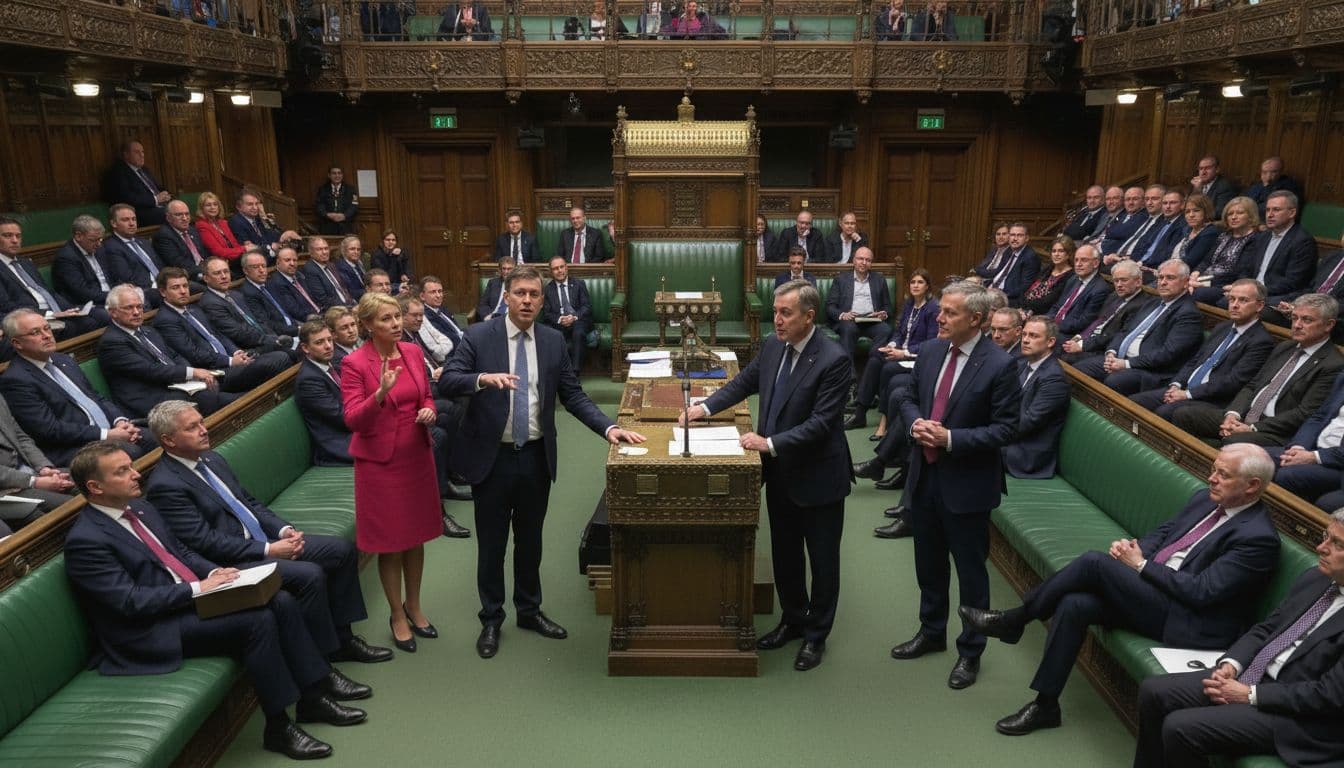
How this helped him answer MPs without giving ground
Starmer's wording gave him a narrow path. He could answer firmly, repeat the core process point, and avoid handing opponents a wider concession. That matters in Parliament, where a small phrase can become the next day's headline.
A short defense of process can hold the line, even when the full political argument is still moving.
However, that tactic only works while the facts stay stable. Once, later reporting raised fresh questions about what Starmer says he had not been told, the earlier language came under harsher scrutiny.
What the wording tells us about the government's bigger message
The bigger issue was competence. Government appointments rely on trust between ministers and officials. They also rely on Parliament, believing that ministers are speaking from a complete brief.
That is why the BBC's later report on withheld vetting information mattered so much. The row was no longer only about Mandelson. It became a test of whether the advice chain worked and whether a prime minister could rely on it.
Conclusion
Starmer's three key statements followed a clear pattern. First, he said the process had been followed. Next, he stressed that the appointment was subject to developed vetting. Finally, he tried to keep a line between formal procedure and political attack.
Taken together, those statements show a simple strategy: defend the system, back the appointment, and avoid giving opponents a wider opening. Yet the Mandelson vetting row grew beyond a personnel matter. It became a test of trust because once confidence in the process slips, every earlier assurance starts to look much more important.